

Roseanne Brown Petyarre - Aboriginal Art

SKU: AA_RBP_01
No reviews

Price:
Sale price$1,500.00

Free Shipping Promotion

Free shipping on eligible orders over $150 View shipping exclusions
Big and Bulky Items

The standard $150 free-shipping offer does not apply to Big and Bulky products, including:

  • Canvas & Surfaces: Stretched canvas, canvas rolls, wooden boards/panels and floater frames.
  • Paper: Large pads, paper sheets and paper rolls.
  • Large Paint Sizes: 4L and 10L buckets of paint and other oversized products.
  • Easels & Clay: Easels, clay and other large or heavy products.

Selected easel and canvas products may qualify for a separate free-shipping promotion. Check the product’s offer; delivery-area exclusions apply.

Dangerous goods and some remote or regional postcodes are also excluded from the standard offer.

View full shipping policy

Excluded Postcodes:

  • Northern Territory (NT): 0800–0999
  • New South Wales (NSW): 2898–2899
  • Victoria (VIC): 3800–3899
  • South Australia (SA): 5700–5799
  • Queensland (QLD): 4700–4900, 9900–9999
  • Western Australia (WA): 6215–6699, 6700–6799
  • Tasmania (TAS): 7151–7999

Pickup available at Unit 11 / 12 Cecil Road, Hornsby

Usually ready in 24 hours

For multiple variant order, kindly use the "Bulk Order" sheet below.

Description

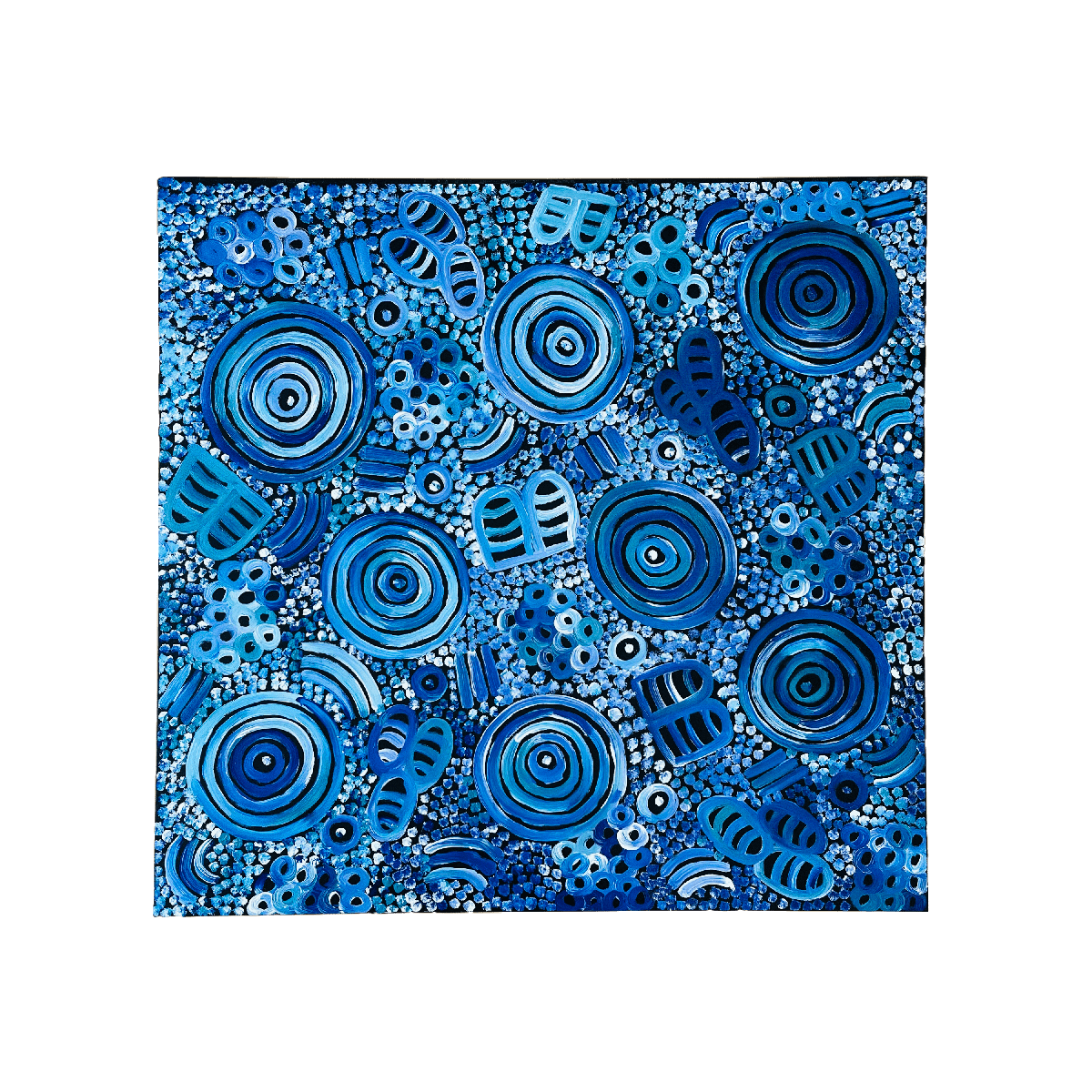
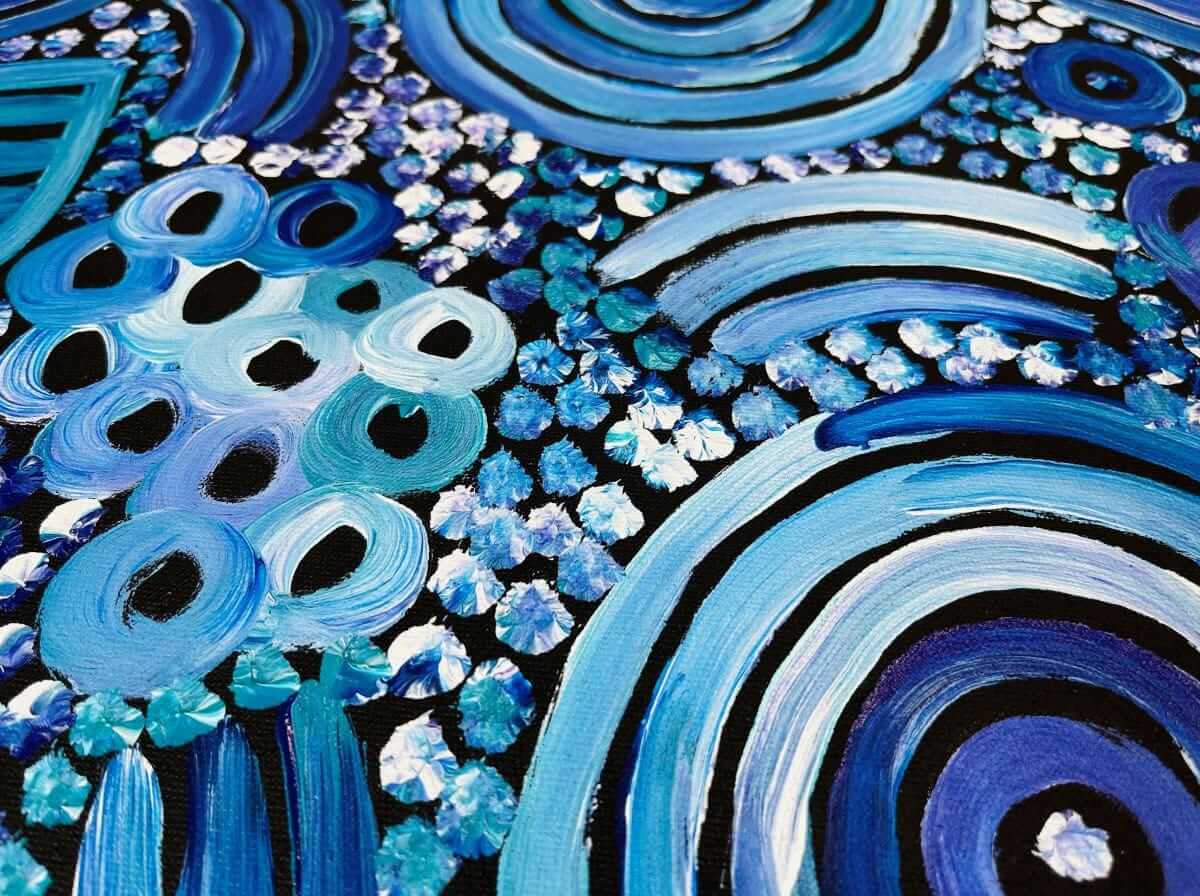
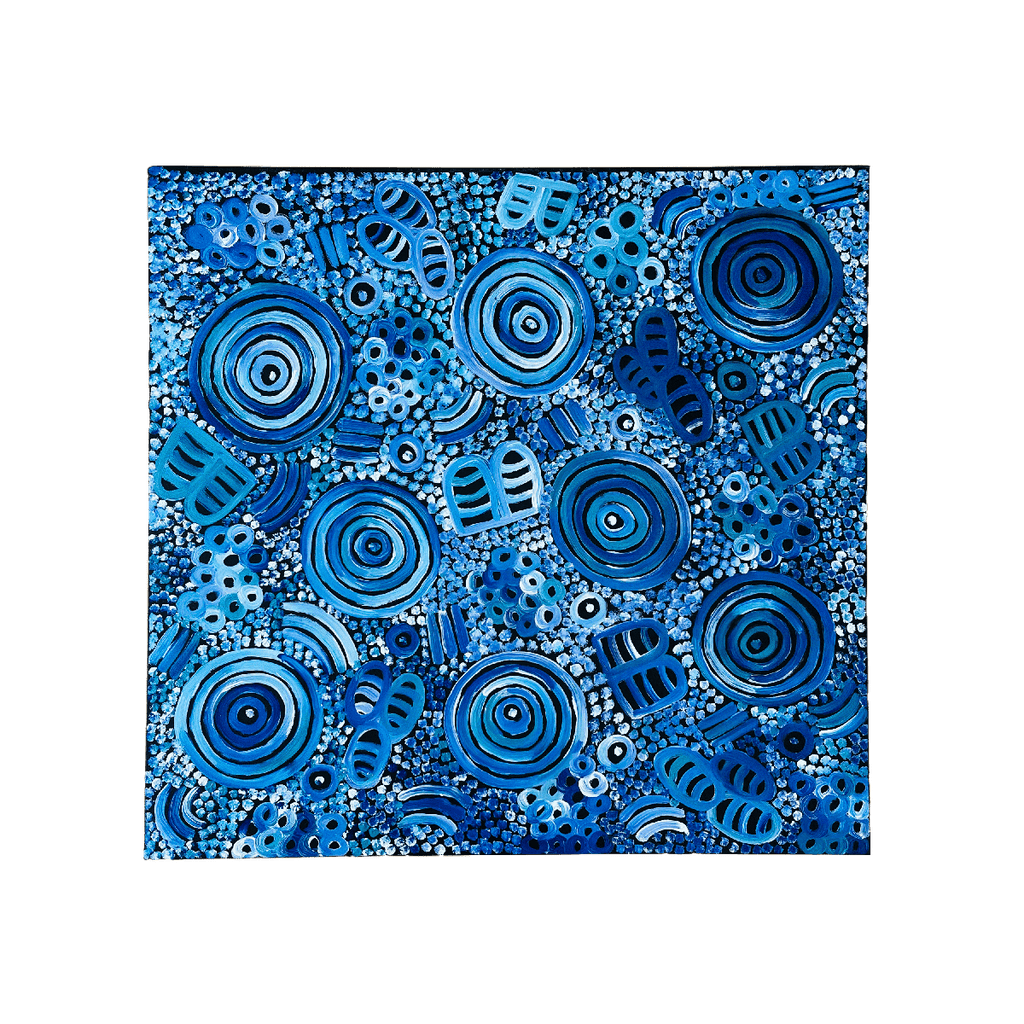
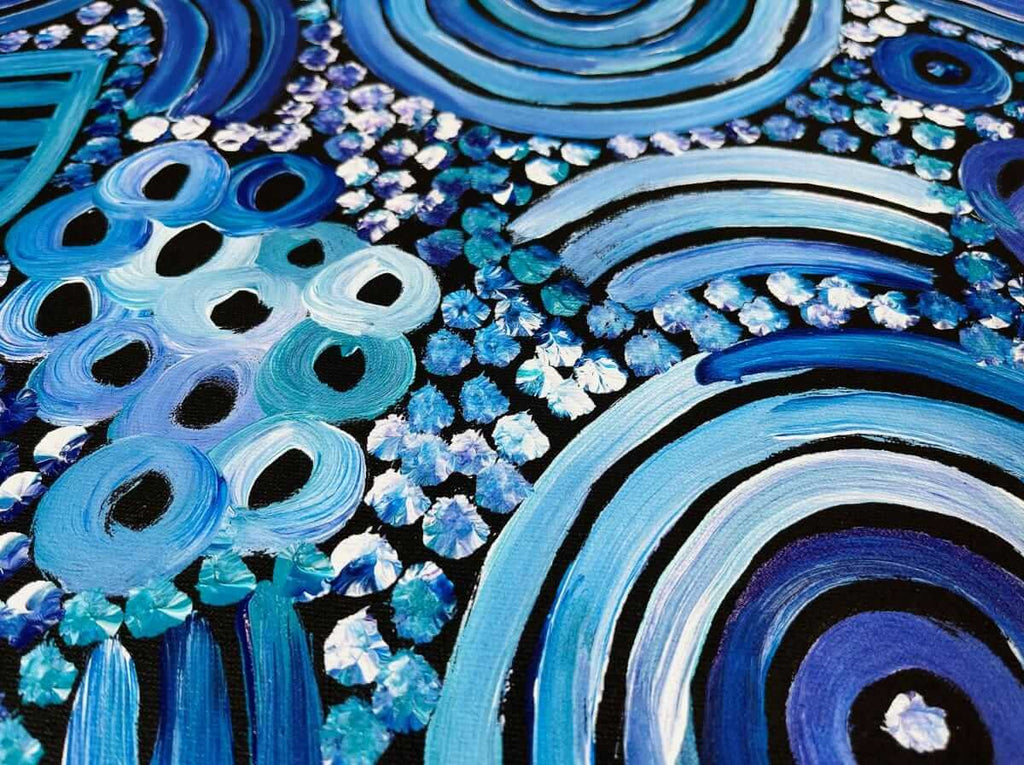
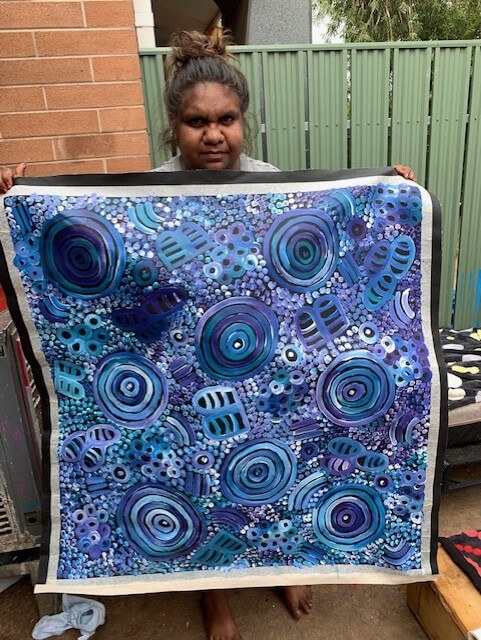
Title: Rock Holes (Acrylic On Canvas)
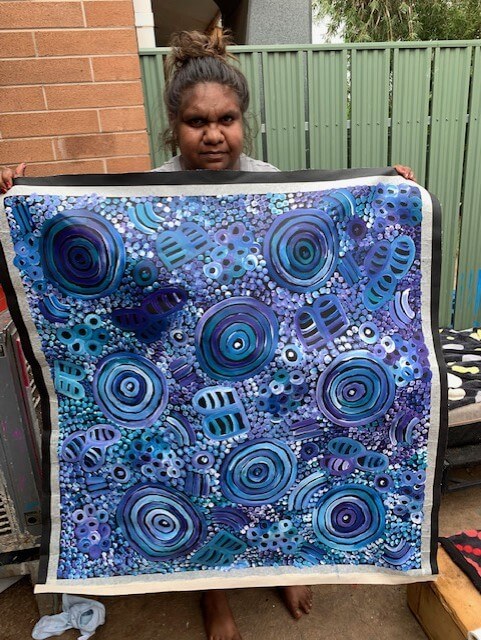
Canvas Size: 100cm x 96cm
Professionally Stretched on Kiln-Dry Stretchers
Ready to Hang, Certificate of Authenticity Included

Biography:

Roseanne is an up and coming artist born C1992 and currently lives in Alice Springs painting the rock holes of the Northern Territory.

Dreaming stories across Australia show the connection of ancestral beings to cultural stories related to water sources. Many such stories highlight the role of spirits in creating sources of water—rivers, creeks, rock wells, lakes, lagoons, seas and springs—and the ongoing supply and control of these watercourses by ancestral spirits and creation beings.

Key features of traditional knowledge about locating and using water include oral instruction, mapping of water sources and setting up markers and identifiers such as scar trees and artwork in the environment. These markers also served as signposts by which Aboriginal peoples understood and recognized the custodianship of the water source and the rights and responsibilities of visitors to these sites. In some areas, artwork and carvings on trees that were thousands of years old pointed the way to water sources that were difficult to find.

Estimate shipping

Frequently bought together

Recently viewed